Leather Footwear Wholesale: How to Compare Supplier Quotations
Two leather footwear quotations can show different prices while describing different products or responsibilities. European B2B buyers get a more useful comparison when each supplier responds to the same brief. The goal is to understand what the quotation includes before deciding which offer fits the collection.
Give every supplier the same product brief
Include the style reference, preferred materials, colours, size range and quantities. Describe the upper, lining, footbed and outsole separately. Add reference images and identify the design details that matter to your buying decision.
State whether the enquiry is for a catalogue model, an adapted style or a new development. Keep provisional quantities clearly marked so they are not mistaken for a final purchase commitment.
Compare the specification before the unit price
Check whether each supplier has quoted the requested components and construction. List any proposed alternatives alongside the price. A lower figure may reflect a different material, packaging arrangement or quantity assumption.
Ask for unclear descriptions to be expanded. Do not treat a general label such as “premium leather” as a complete specification. The comparison should use details that can be confirmed on a sample and in the final order.
Clarify minimum quantities and the size mix
Ask whether the minimum applies per order, style, colour or size. Confirm whether the quoted price depends on a particular assortment. Record the quantities for each stock reference rather than relying on a single total number of pairs.
Discuss the terms for repeat orders separately. An opening-order quotation does not necessarily establish the price, minimum quantity or timing for replenishment.
List development, branding and packaging costs
Request sample and development charges to be identified. If branding or special packaging is part of the brief, ask what is included and what carries an additional charge. Confirm which costs are one-off and which apply to every order.
Review the artwork and approval process before agreeing branded production. Include the required identifiers and packaging references so the order can move through your receiving and retail systems.
Make commercial terms explicit
Record the currency, quotation validity, payment stages and the point at which production can begin. Ask the supplier to identify the delivery responsibilities and the costs included in the offer.
Have your logistics and purchasing advisers assess the shipment arrangements where needed. Separate the supplier’s production estimate from transport and expected arrival. Avoid using an unconfirmed arrival date in your launch plan.
Use samples to support the final decision
Compare samples against the quoted specification and record any revisions. Evaluate fit, finishing and packaging alongside the commercial terms. Keep the approved reference and specification attached to the order.
A useful comparison table should show specification differences and unresolved questions, not just rank prices. Resolve those questions before making the purchase decision.
Prepare a comparable footwear enquiry
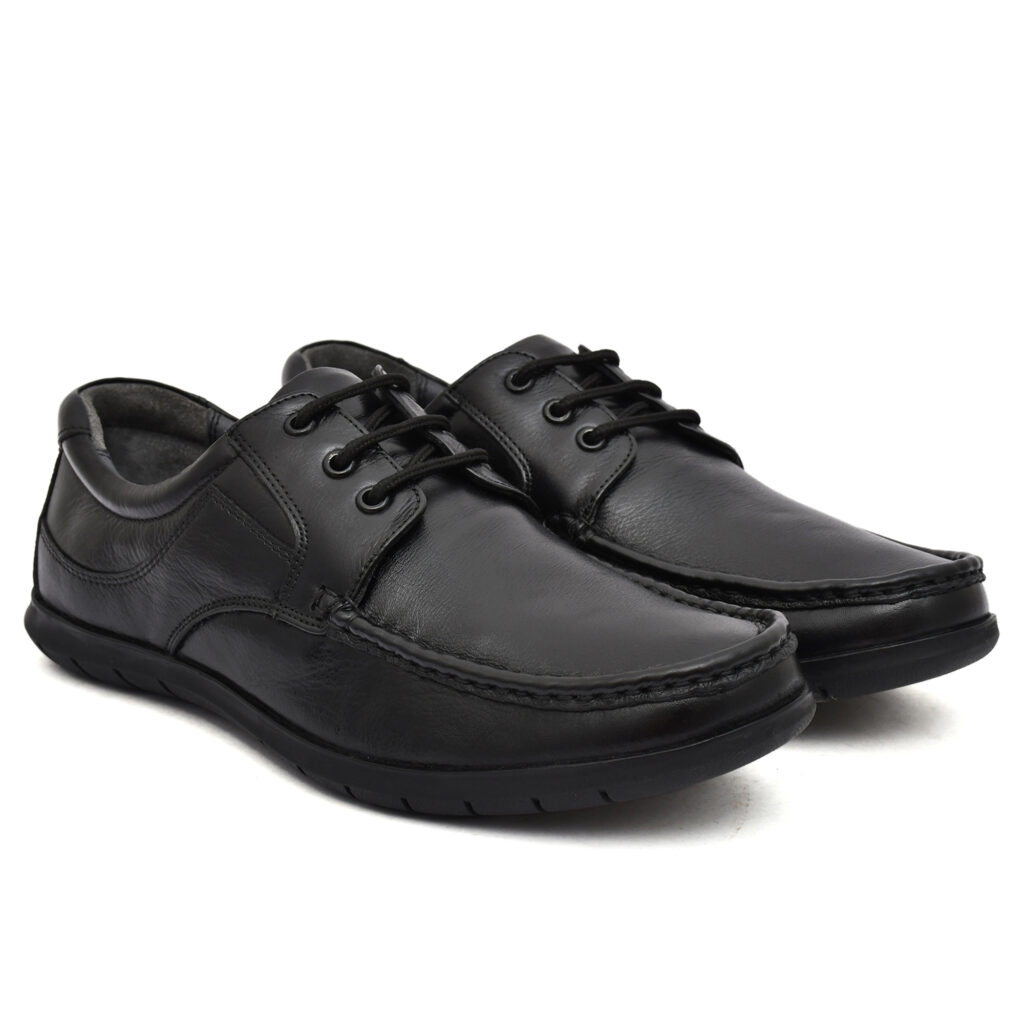
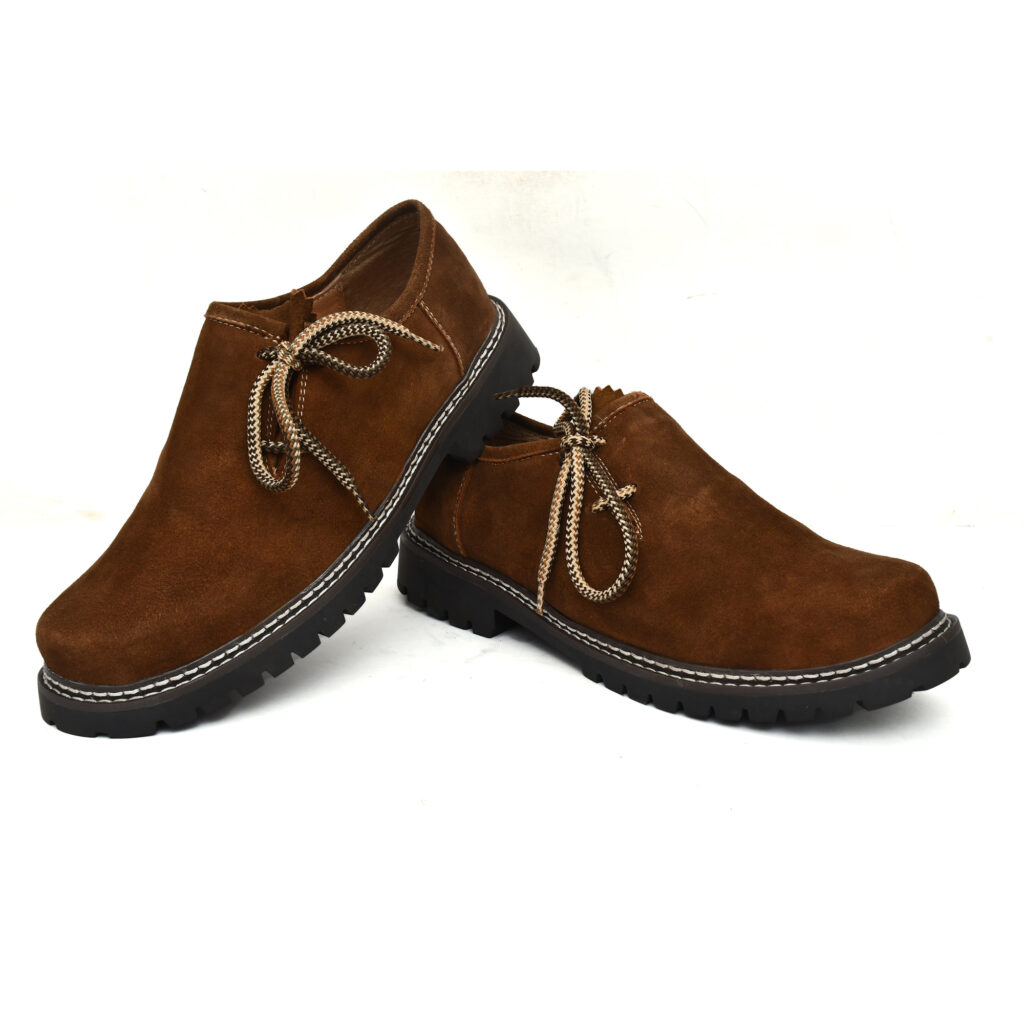
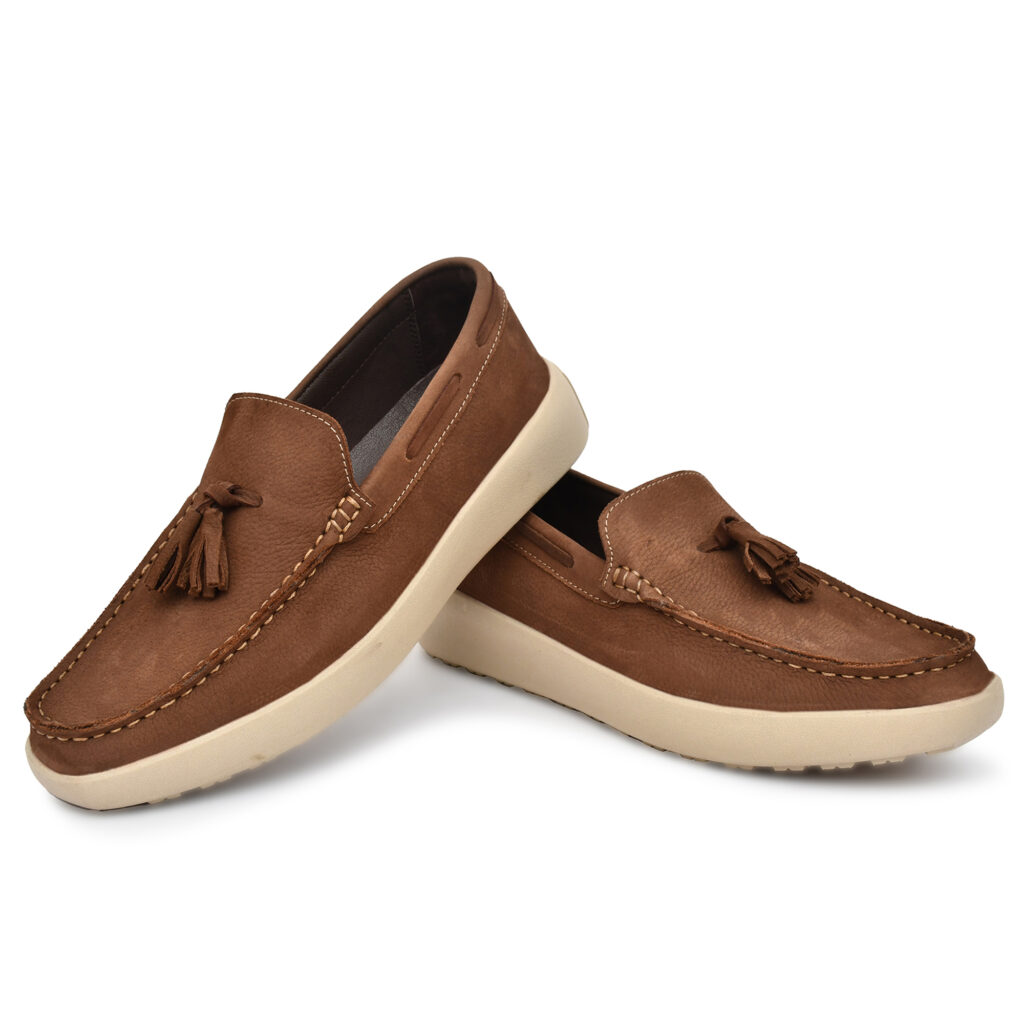
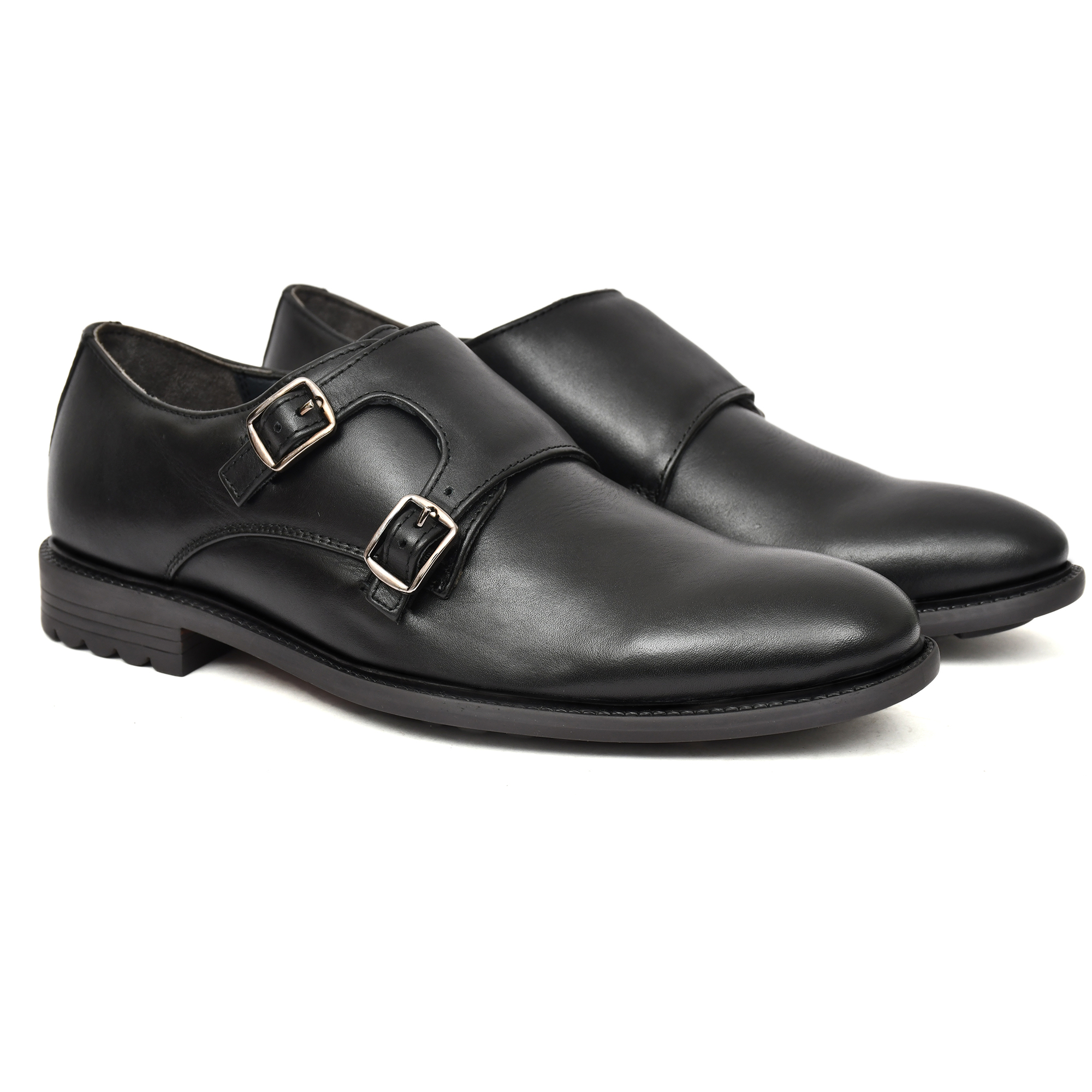
SN Overseas presents formal leather footwear, casual shoes, boots and Bavarian-inspired styles on its footwear website. Send a consistent brief with materials, sizes, quantities and destination requirements, then request the applicable sample and order terms.
Explore the SN Overseas footwear collection