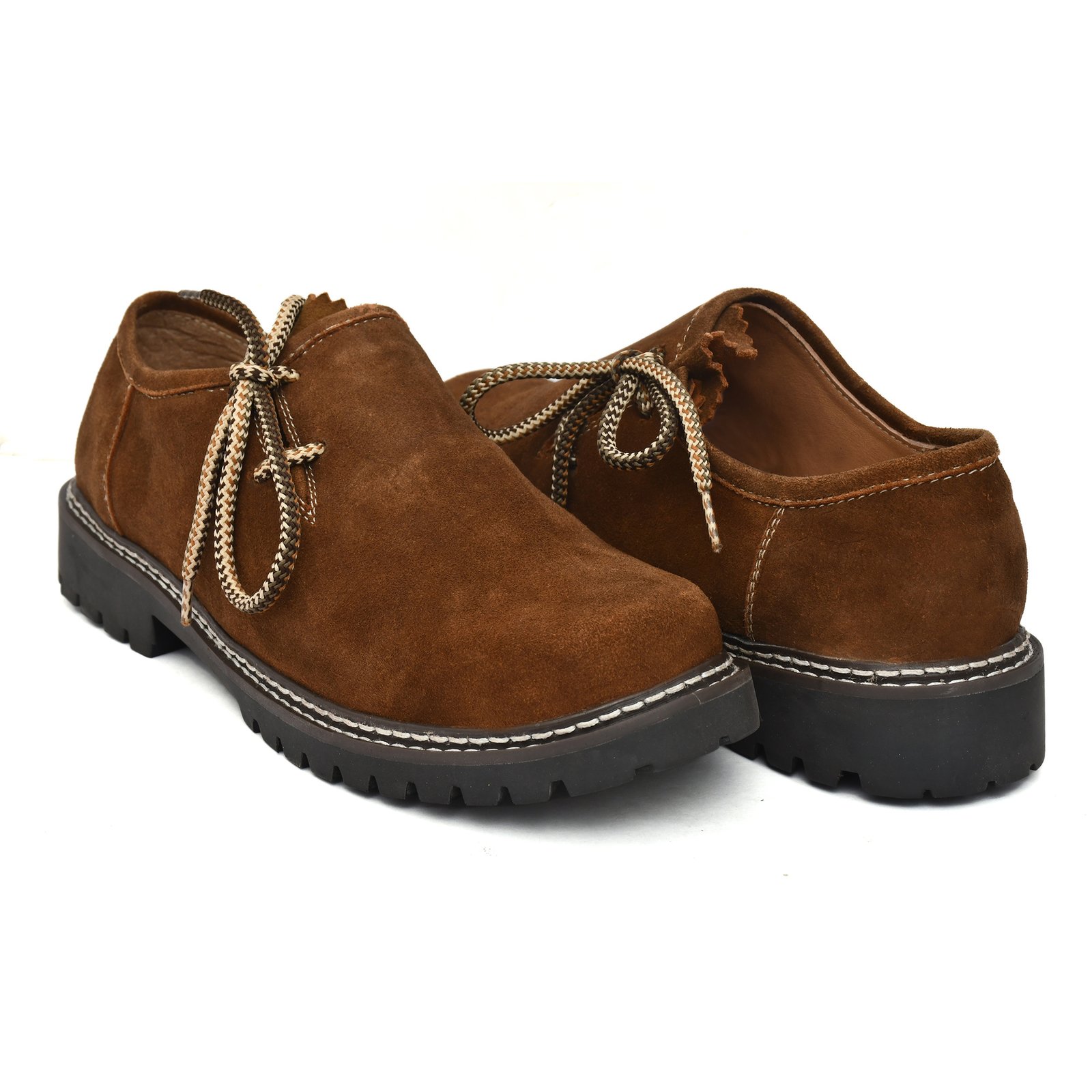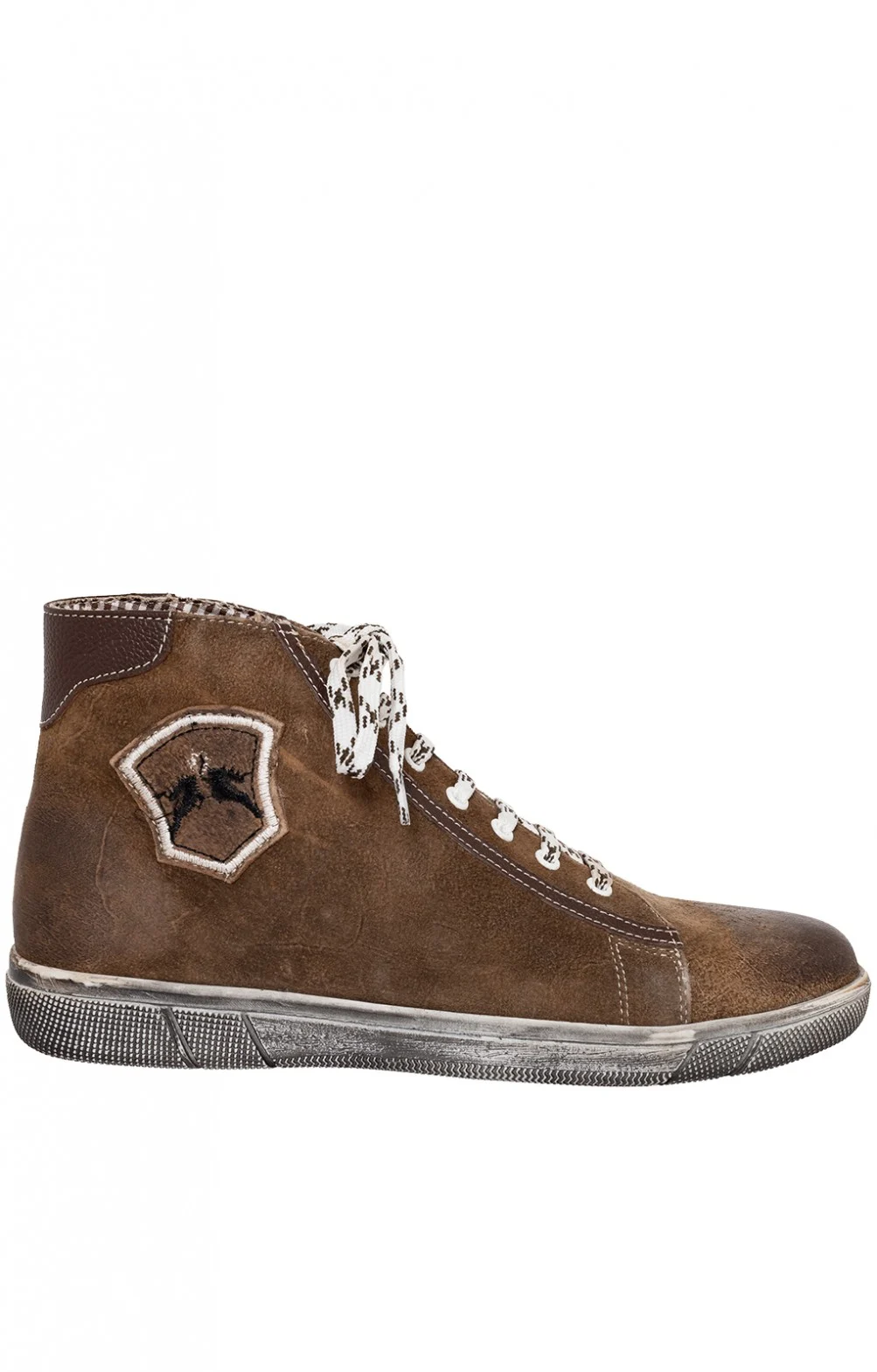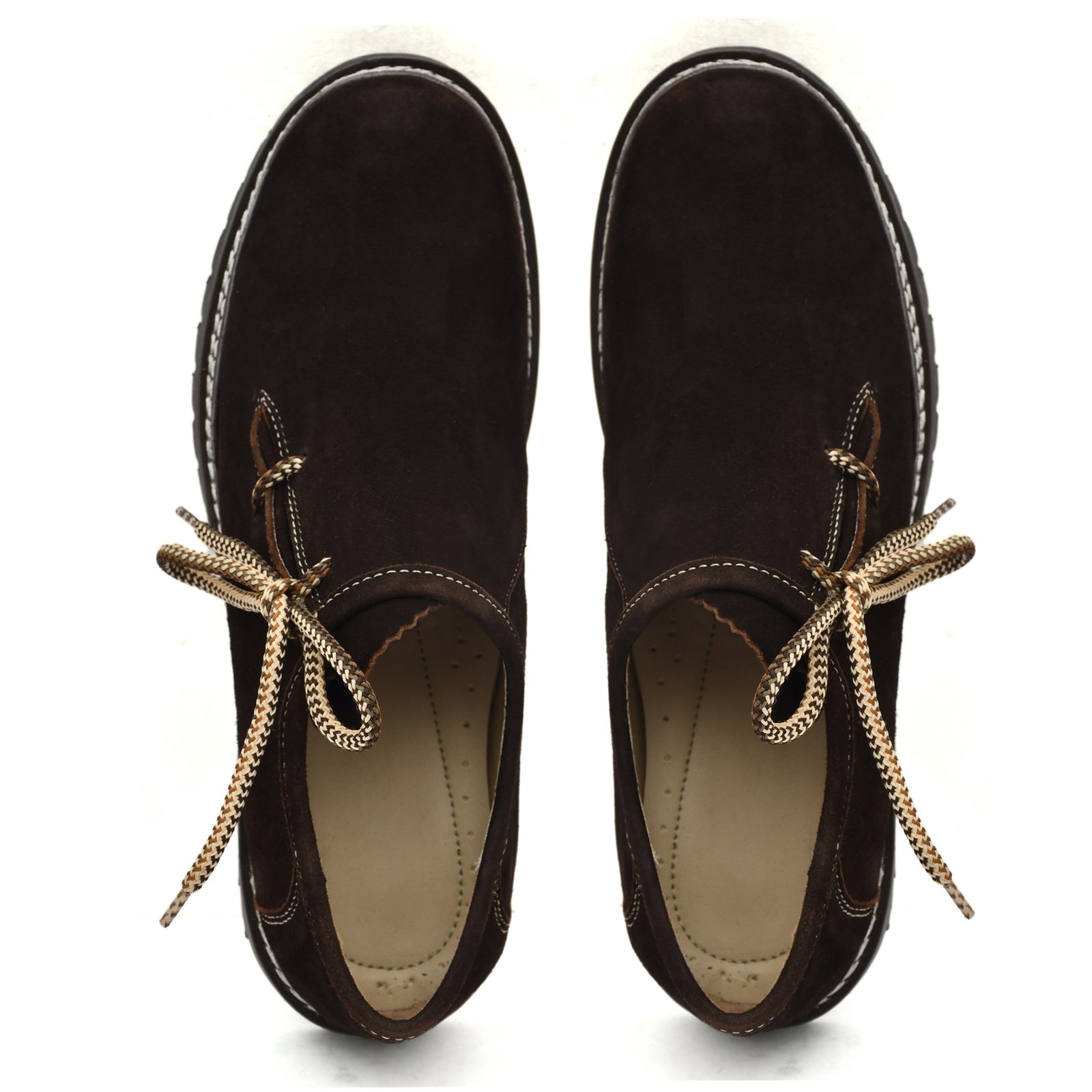
Bavarian Footwear Wholesale: A European Buyer’s Sourcing Checklist
Sourcing Bavarian footwear wholesale starts with a clear buying brief. For European retailers, wholesalers and private-label brands, a useful comparison goes beyond photographs and a price per pair. The shoe’s appearance, fit, material specification, size assortment and delivery plan all need to match the intended collection.
This checklist helps buyers prepare a practical enquiry for Haferl and Trachten footwear, compare supplier responses and move from an initial sample to a documented purchase decision.
1. Define the Bavarian footwear collection you want to sell
Begin with the customer and sales channel. A specialist traditional-dress retailer may need a different assortment from a general footwear wholesaler or an online brand building a seasonal collection. Describe the intended market, preferred styles, colour palette and target retail positioning.
Include reference images and identify the details you want the supplier to reproduce or develop: the shoe profile, lacing arrangement, stitching, buckle treatment and sole appearance. Keep design references separate from claims about where a product is manufactured. A Bavarian-inspired design does not establish German or European origin.
2. Request a written material and construction specification
Ask for the upper material, lining, footbed and outsole to be identified separately. A broad description such as “leather shoe” leaves too much room for different interpretations. Specify the preferred finish and colour, then confirm which options are available for the exact model being quoted.
Request details of how the sole is attached and how visible seams are finished. If your collection requires a particular construction, record it in the buying brief and check it on the sample. Avoid presenting a sample’s construction or material as a feature of every style in the range.
3. Check fit before agreeing a size assortment
Discuss the proposed European size range and request a size chart for the selected model. Confirm how measurements are taken and whether the last or width differs across styles. A size label alone cannot answer every fit question.
Assess samples with the socks your customers are likely to wear. Review toe room, heel hold, instep pressure and fastening adjustment. Where possible, assess more than one size before approving a broad assortment. Record the approved model, size and material so later comparisons use the same reference.
4. Clarify minimum quantities and customisation
Ask whether the minimum order quantity applies to the whole order, each style, each colour or each size. These distinctions affect stock planning and the ability to test a new collection.
For private-label enquiries, separate the requests for branding, packaging and product design. Confirm the available options, any development costs and the sample approval process in writing. Do not assume that a catalogue style includes every customisation option or that repeat orders use the same minimum quantity.
5. Build a delivery plan around your selling calendar
Work backwards from the date stock needs to be available in your warehouse or shop. Ask the supplier to distinguish sample development, production and dispatch from transport and arrival. Confirm when each stage begins and what approvals or payments it depends on.
For seasonal Trachten and Oktoberfest collections, allow room for sample revisions and receiving checks. Request a current lead-time estimate for your proposed order rather than relying on an estimate given for a different style or quantity.
6. Make quotations comparable
Send the same brief to each supplier. Compare the quoted model, materials, size mix, quantities, packaging and delivery responsibilities alongside the price. Ask for the currency, quotation validity and payment stages to be stated clearly.
Clarify which transport and other costs are included and which remain the buyer’s responsibility. Before ordering, have the appropriate specialists review the documentation and requirements for your destination market. A sourcing checklist is a purchasing aid, not evidence that a product meets every market requirement.
7. Agree how samples and bulk orders will be checked
Keep an approved reference sample and its written specification. Agree how the order will be assessed for size labels, colour consistency, stitching, fastening, packaging and visible defects. Set out how differences from the approved sample will be reported and resolved.
These checks create a shared reference for both sides. They also help your merchandising team describe the finished product accurately when it reaches the shop floor or online catalogue.
Prepare your Bavarian footwear enquiry
A useful first enquiry includes your company and sales channel, destination country, reference styles, preferred materials, size range, estimated quantities and required arrival date. Add any branding or packaging requirements and request samples, minimum quantities and a current production estimate.
SN Overseas presents a Bavarian-inspired Haferl and Trachten collection alongside other leather footwear on its footwear catalogue and enquiry website. Share a detailed buying brief with the team to discuss the options for your European range. Confirm the final specification, quantities and commercial terms before placing an order.
Explore the SN Overseas footwear collection