Planning an Oktoberfest Footwear Collection: A B2B Buying Timeline
An Oktoberfest footwear collection is easier to manage when the buying timeline begins with the date stock needs to be ready for sale. European retailers and wholesalers can then work backwards through receiving, transport, production and sample approval. The aim is a realistic purchasing plan, with clear responsibilities at each stage.
Set your own retail-ready date
Decide when the collection needs to be photographed, listed online, distributed or displayed in shops. Your operational deadline may be earlier than the event or selling season itself. Include time for incoming checks and any movement between warehouses and stores.
Write the required arrival date into the enquiry. Distinguish it from a requested dispatch date so the supplier understands the outcome you are planning towards.
Allow for samples and design decisions
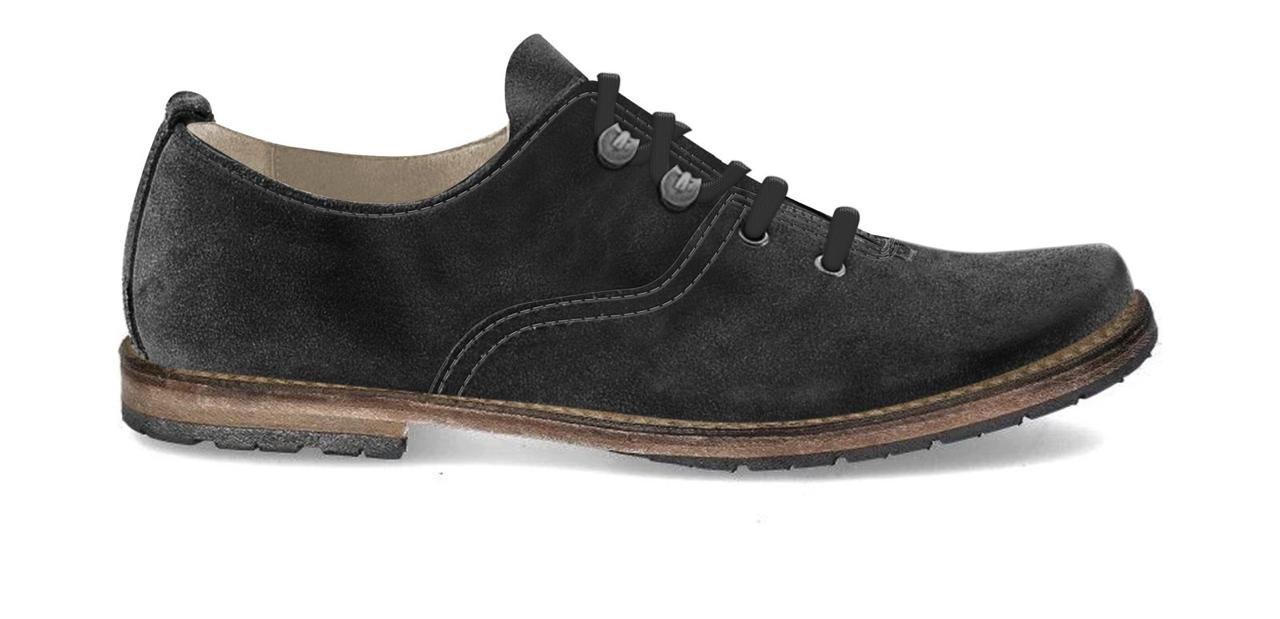
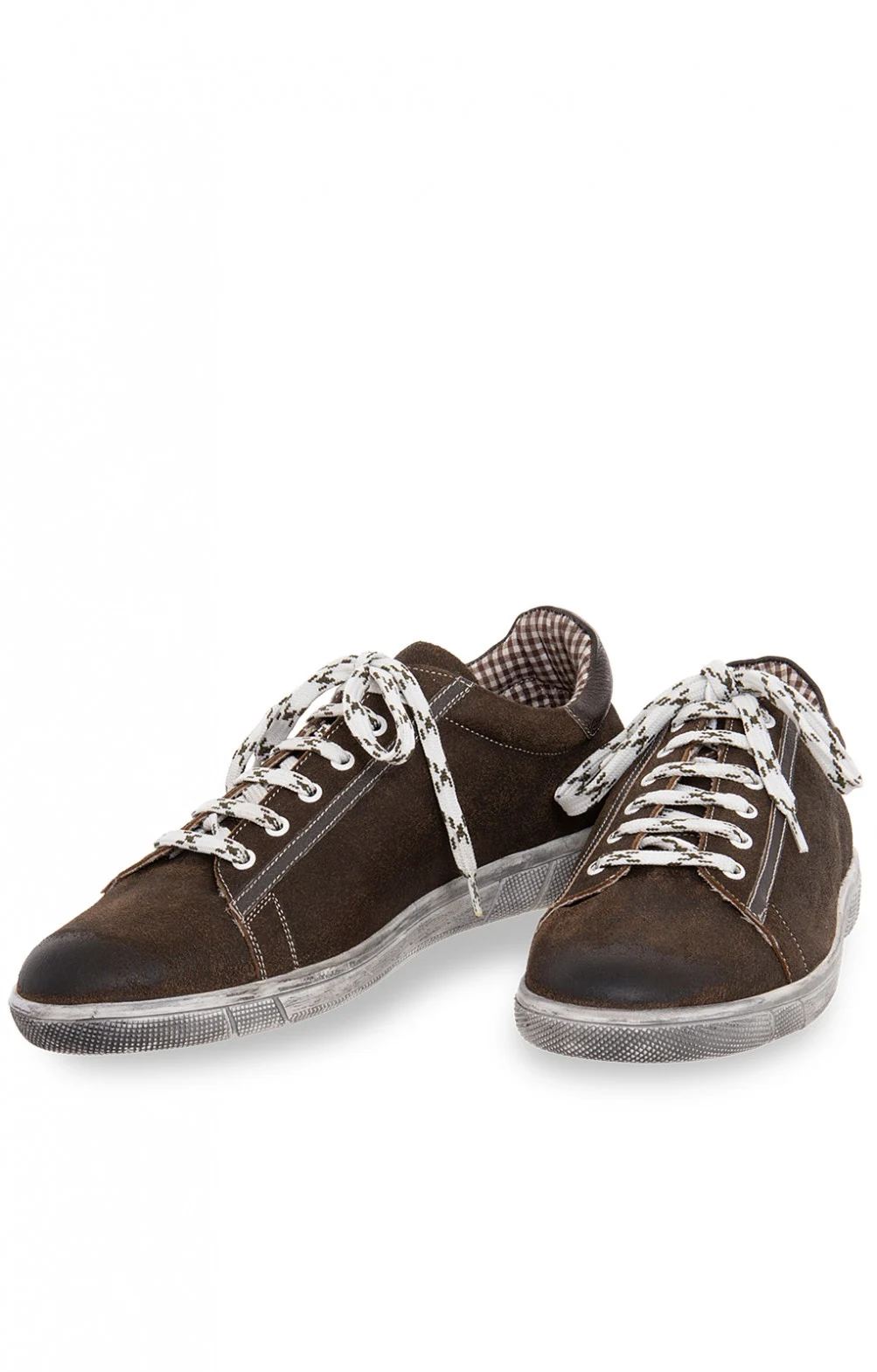
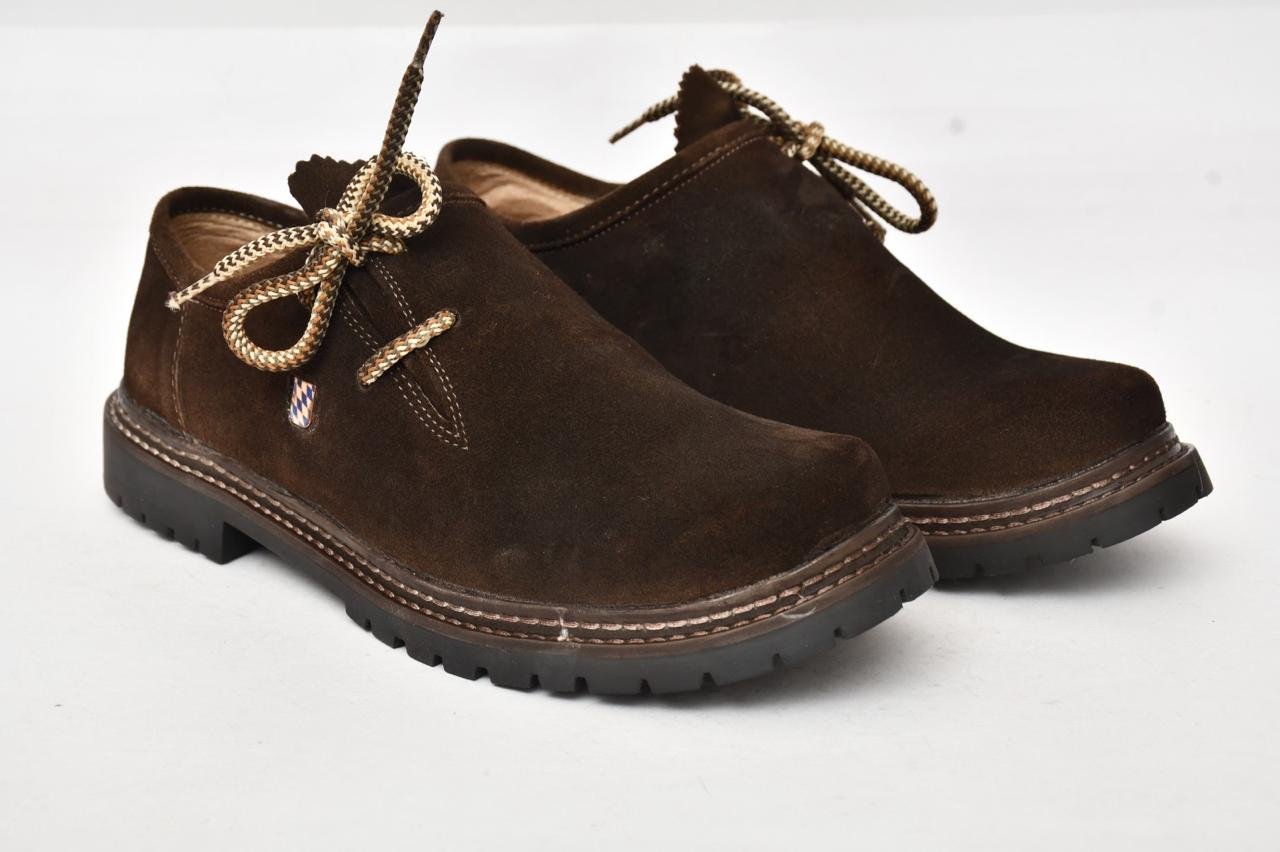
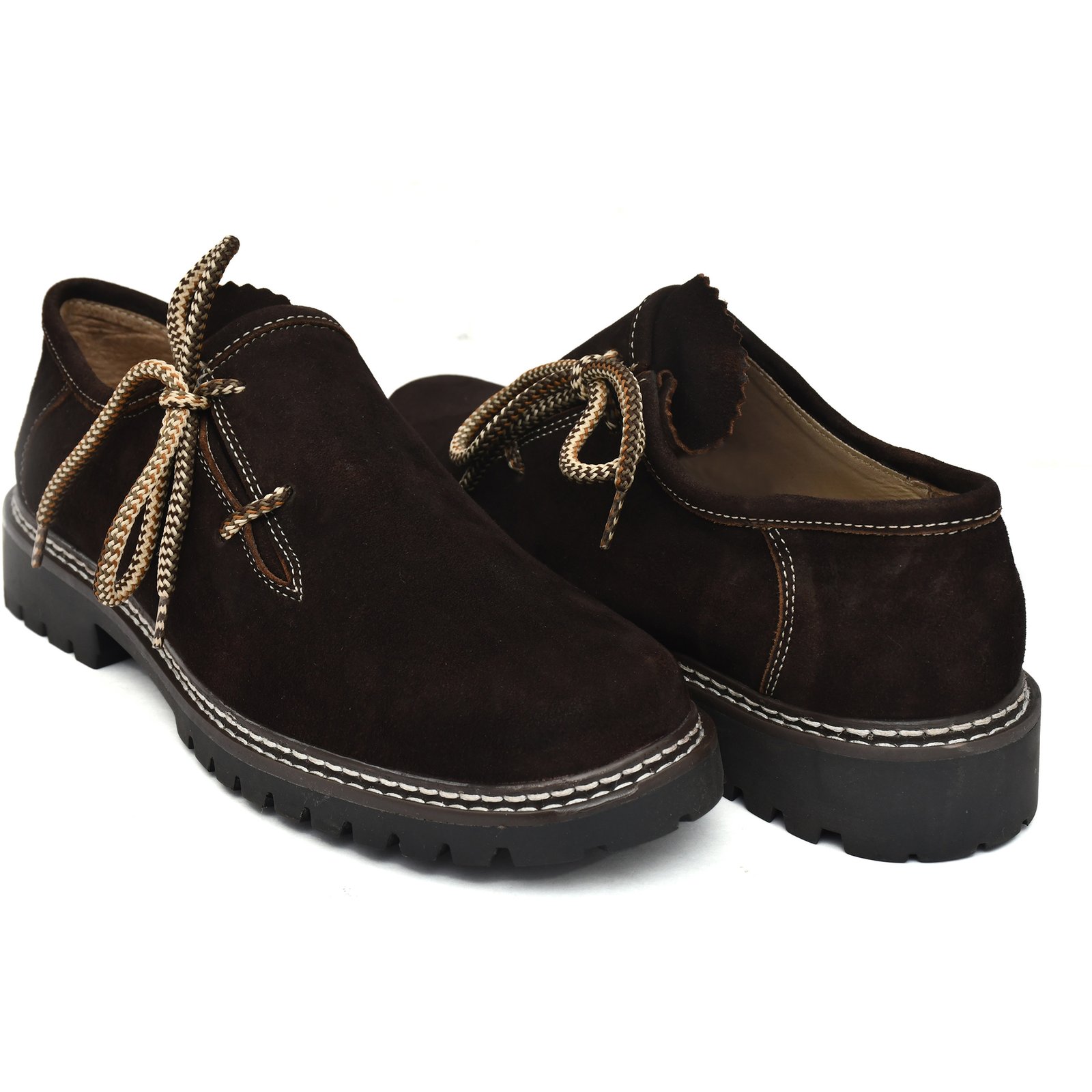
Prepare a brief covering the Haferl or Trachten styles, colours, materials, size range and estimated quantities. Ask what can be sampled and what information the manufacturer needs before development begins.
Build room into the plan for reviewing and revising samples. Material, fit, branding and packaging decisions can each require clarification. Agree who will approve the sample and how that approval will be recorded.
Confirm the production start conditions
Request a current estimate for the proposed order. Ask whether production timing depends on material availability, receipt of payment, sample approval or final size quantities. Record these dependencies alongside the estimate.
A lead time quoted for a different quantity or an earlier enquiry should not become the basis of your launch plan without reconfirmation. If the order changes, ask the supplier to update the timeline.
Separate production from transport
Production completion, dispatch and warehouse arrival are different milestones. Ask the relevant parties to identify each stage and its responsibilities. Have your logistics provider assess the transport plan for the destination and shipment concerned.
Discuss what happens if a milestone slips. A useful update should explain the cause, the revised date and any decision needed from the buyer. Avoid building a plan around unconfirmed delivery guarantees.
Prepare product information before stock arrives
Use the approved specification to prepare descriptions, size guidance and merchandising information. Check that photographs match the production model and colour. Make sure claims about materials, origin and performance have support.
Coordinate packaging and stock references with your warehouse or retail team. Clear style and size identifiers can reduce confusion when several similar footwear models arrive together.
Plan the next season using this season’s evidence
After launch, review sell-through by style and size, return reasons and supplier milestone performance. Use these records to shape the next buying brief. Separate a slow-selling colour from a delivery problem so the next order addresses the actual issue.
Frequently asked question: How early should buyers order?
There is no single lead time for every collection. Work backwards from your required arrival date using current sample, production and logistics estimates for the specific order.
Start a seasonal footwear enquiry
Visit the SN Overseas Bavarian footwear collection and share your styles, size range, estimated quantities and retail-ready date. Request current sample and production timings before committing to your seasonal plan.
Explore the SN Overseas footwear collection